
Japanese plant hangers woven from natural materials offer a unique blend of aesthetic appeal and cultural significance. Their intricate craftsmanship, often employing traditional weaving techniques, elevates these planters beyond mere functional objects. This guide delves into the design considerations, materials, variations, and cultural context behind these captivating pieces, providing a comprehensive understanding for both enthusiasts and potential crafters.
From the selection of natural fibers to the incorporation of traditional motifs, this in-depth exploration guides you through the artistry of crafting a visually appealing and functional Japanese plant hanger.
Defining Japanese Plant Hanger Woven
Japanese plant hangers, woven from natural materials, are more than just functional containers; they are expressions of a deep-rooted cultural appreciation for aesthetics and craftsmanship. Their intricate designs, often incorporating natural elements, reflect a harmonious relationship with nature. These woven pieces are not merely utilitarian; they embody a profound respect for the materials and the processes involved in their creation.Japanese plant hangers woven from natural materials showcase a unique aesthetic characterized by their simplicity and elegance.
The natural hues of the materials, often muted and earthy tones, create a calming atmosphere. Intricate patterns, often inspired by traditional Japanese motifs or nature itself, add depth and visual interest. The soft textures of the materials, such as bamboo, rattan, or straw, contribute to the overall tactile appeal of these plant hangers. The overall effect is one of understated beauty and refined craftsmanship, perfectly complementing the greenery they house.
Aesthetic Characteristics
The aesthetic of Japanese plant hangers emphasizes a harmonious blend of nature and craftsmanship. The color palettes typically range from muted greens, browns, and creams to richer, deeper tones inspired by natural elements. The designs often incorporate organic forms, mimicking the lines and curves found in leaves, branches, and flowers. This aesthetic approach emphasizes a sense of tranquility and connection with the natural world.
The use of natural materials creates a sense of warmth and authenticity, while the intricate weaving techniques showcase the meticulous artistry involved in their creation.
Historical Context and Cultural Significance
Japanese plant hangers have a rich history deeply intertwined with the nation’s cultural values. Their origins can be traced back to centuries-old traditions of basketry and weaving, reflecting the close relationship between Japanese people and nature. These woven containers, often used for storage or display, evolved into the aesthetically pleasing plant hangers seen today, continuing to embody the importance of natural materials and skillful craftsmanship.
The reverence for natural materials is deeply embedded in Japanese culture, reflecting a belief in the inherent beauty of the natural world.
Weaving Techniques
Traditional Japanese weaving techniques, meticulously passed down through generations, are crucial to the creation of these plant hangers. These techniques, often involving intricate knotting, braiding, or plaiting, result in unique patterns and textures. The techniques used can vary depending on the specific material and desired design, showcasing the versatility and adaptability of these ancient methods. Common techniques include the use of double-weave patterns for added durability and intricate interlacing patterns.
Materials
The choice of materials in Japanese plant hangers is a crucial aspect of the craft. Natural materials like bamboo, rattan, straw, and paper are commonly used, each contributing unique qualities to the final product. Bamboo, known for its strength and flexibility, often forms the structure of the hanger. Rattan, with its natural flexibility, is ideal for creating intricate designs.
Straw, with its inherent lightness and texture, can be woven into delicate and airy structures. Paper, especially in its craft form, lends a unique aesthetic and often combines with other materials for a multifaceted design. These natural materials not only contribute to the beauty of the hangers but also reflect the respect for sustainable practices and the appreciation for the inherent qualities of natural resources.
Design Considerations
Japanese plant hangers, imbued with a deep respect for nature and aesthetic sensibilities, offer a unique opportunity for creative expression. Beyond their functional purpose, these handcrafted items often serve as miniature works of art, reflecting the meticulous attention to detail inherent in Japanese design principles. This section delves into the crucial design elements for crafting visually compelling and authentic Japanese plant hangers.The design of a Japanese plant hanger should seamlessly integrate form and function, embodying the principles of minimalism and harmony with nature.
A visually appealing design is achieved by carefully considering materials, weaving techniques, and the incorporation of traditional Japanese patterns.
Guidelines for Visually Appealing Design
Crafting a visually appealing Japanese plant hanger requires adherence to several key principles. These include the use of natural, muted color palettes that evoke a sense of tranquility and harmony. Employing asymmetrical balance and incorporating negative space further enhances the aesthetic appeal. The overall design should be characterized by clean lines, avoiding overly ornate or cluttered aesthetics.
Material Selection
The selection of materials for a Japanese plant hanger is paramount, as it significantly influences the final aesthetic and the overall quality. Bamboo, for its strength and natural beauty, is a popular choice, while rattan offers a softer, more organic texture. Natural fibers like hemp or sisal contribute to a warm and earthy tone. The material selection should also consider factors like durability, resistance to moisture, and ease of maintenance.
For example, bamboo is generally more durable than rattan, making it suitable for outdoor use, while rattan might be preferred for indoor applications due to its delicate nature.
Incorporating Traditional Japanese Patterns and Motifs
Traditional Japanese patterns and motifs, such as the iconic “wavy” or “flowing” lines of the “Nadeshiko” flower, can be seamlessly incorporated into the design. These motifs are often represented through subtle variations in the weave, creating visual interest and conveying a sense of cultural heritage. The choice of motif should be deliberate, reflecting the intended atmosphere and the overall design concept.
Consider, for example, the use of delicate floral patterns for a more feminine aesthetic or geometric patterns for a more contemporary feel.
Weaving Techniques Comparison
Different weaving techniques impart distinct characteristics to the final product. A comparison of these techniques highlights their impact on the overall aesthetic.
| Weaving Technique | Description | Impact on Final Product |
|---|---|---|
| Ikat | A resist-dyeing technique where patterns are created before weaving. | Creates bold, vibrant patterns that are characteristic of the technique. |
| Plain Weave | The simplest weaving technique, with yarns interlacing in a regular pattern. | Creates a smooth, uniform surface ideal for simple designs. |
| Basket Weave | A technique that creates a lattice-like pattern. | Produces a strong, structured, and visually appealing texture. |
| Twilled Weave | A technique characterized by diagonal lines in the weave. | Creates a more textured and intricate pattern, often adding depth and dimension. |
Materials and Techniques
Japanese plant hangers, woven with meticulous artistry, often embody a deep connection to nature. The selection of materials and the precise weaving techniques are integral to achieving the desired aesthetic and functionality. These elements contribute to the enduring appeal of these handcrafted works, reflecting the Japanese appreciation for beauty and craftsmanship.The materials used in Japanese plant hangers, whether for the structure or decorative elements, are carefully chosen for their natural properties and visual appeal.
Preparing these materials for weaving involves a series of steps that ensure optimal texture and strength. Different weaving techniques dictate the overall design and structure of the hanger, from the subtle patterns to the enduring strength of the final product.
Natural Materials
The selection of natural materials for Japanese plant hangers is often guided by their inherent aesthetic qualities, durability, and suitability for weaving. Ranging from bamboo and rattan to grasses and reeds, the natural materials contribute to the piece’s unique character. These materials are chosen for their inherent beauty, durability, and ability to adapt to the intricate weaving techniques.
- Bamboo: Known for its strength and straightness, bamboo is frequently used for the main structure of the hanger. Its natural, warm tones and distinct grain patterns contribute to the visual appeal.
- Rattan: With its flexibility and inherent strength, rattan is a common choice for creating the hanger’s framework. Its pliable nature allows for intricate weaving patterns and graceful curves, often adding a delicate touch.
- Grasses and Reeds: These materials provide a variety of textures and colors, adding depth and visual interest to the plant hanger. The soft, natural tones of these materials can create a calming and inviting atmosphere.
- Paper: Washi paper, a traditional Japanese paper, can be used for decorative elements, adding intricate patterns or embellishments. Its delicate nature complements the natural materials.
Material Preparation
Preparing natural materials for weaving involves several key steps to optimize their suitability for the intricate process.
- Cleaning: Removing dirt, debris, and any other foreign matter from the chosen materials is essential. This step ensures the finished product’s aesthetic quality and structural integrity.
- Drying: Proper drying is crucial for preventing mold or mildew, ensuring the longevity of the materials. The drying process often involves carefully arranging the materials in a well-ventilated area.
- Soaking: Certain materials, like grasses or reeds, might require soaking in water to soften them and make them more pliable. This step is essential to achieve the desired texture and weave.
- Splitting/Thinning: For materials like bamboo or rattan, splitting or thinning the material may be necessary to achieve the appropriate thickness and consistency for weaving. This ensures evenness and strength.
Weaving Techniques
The diverse range of weaving techniques employed in Japanese plant hangers showcases the artisans’ mastery of the craft. From basic plaiting to more intricate patterns, these techniques are crucial for creating the hanger’s structural integrity and aesthetic appeal.
- Plaiting: This fundamental technique involves intertwining the chosen materials in a simple back-and-forth pattern. It’s frequently used for creating the initial framework of the hanger.
- Twining: Twining involves twisting the materials together, creating a more complex and robust structure. This method often enhances the durability of the hanger.
- Basket Weaving: Basket weaving techniques, incorporating a range of patterns and designs, can create the hanger’s decorative elements. These techniques are particularly adept at achieving intricate patterns.
- Knotting: Knotting techniques add intricate details and create a more elaborate visual appeal. Different knotting styles can create distinct patterns and textures.
Tools
The tools used in the weaving process are essential for the precise manipulation of the materials and the creation of the final product.
- Scissors: Essential for trimming materials to the correct length and shape.
- Knives: Used for splitting or shaping materials, especially bamboo or rattan.
- Weaving needles: For intricate patterns, fine weaving needles are necessary for manipulating the materials.
- Tweezers: Used for delicate adjustments and intricate details, especially when working with fine materials.
- Measuring tools: For precise sizing and consistency in the design.
Variations in Style and Size
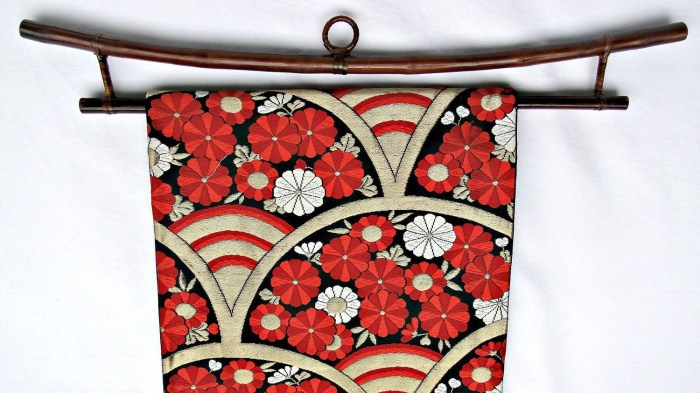
Japanese plant hangers, a testament to meticulous craftsmanship, showcase a captivating array of styles and sizes tailored to accommodate a diverse range of plant species. The careful consideration of both aesthetic appeal and practical functionality underpins these variations, reflecting a deep-rooted appreciation for nature and the artistry of weaving. These hangers are more than mere supports; they are integral components of a holistic approach to indoor gardening.Japanese plant hanger weaving encompasses a spectrum of styles, each imbued with distinct characteristics.
These styles are often informed by the specific materials used, the intricate weaving patterns, and the overall aesthetic. Size considerations are equally critical, ensuring the hanger’s structural integrity and its suitability for the plant’s growth requirements.
Styles of Japanese Plant Hangers
Different styles of Japanese plant hangers evoke various aesthetic moods. The styles often derive from the inherent qualities of the chosen materials, weaving patterns, and overall design approach. These distinct styles cater to varied preferences and plant types.
- Traditional Style: Characterized by intricate, symmetrical patterns and the use of natural materials like bamboo or rattan. These hangers often feature a subtle elegance and a focus on craftsmanship. They are well-suited for displaying smaller, delicate plants like ferns or succulents.
- Contemporary Style: These plant hangers feature modern, geometric patterns or minimalist designs. They frequently utilize more contemporary materials like metal or recycled fabrics, offering a sleek and modern aesthetic. They are suitable for a variety of plants, including hanging baskets and medium-sized shrubs.
- Rustic Style: These hangers employ raw, natural materials and often feature visible knots and imperfections, adding a touch of warmth and natural charm. They’re ideal for displaying plants like air plants or small cacti, which complement their rustic character.
Size Variations for Different Plant Types
The size of the plant hanger is crucial for ensuring both the plant’s well-being and the hanger’s structural integrity. The appropriate size accommodates the plant’s growth requirements without compromising the hanger’s stability.
- Small Hangers: These are typically used for smaller plants like succulents, air plants, and small ferns. The size of the hanger is carefully balanced to provide adequate support without being overly large or cumbersome.
- Medium Hangers: Suitable for a range of plants, from small shrubs to medium-sized vines. The size allows for more substantial plants while still maintaining a balance of support and visual appeal.
- Large Hangers: These are designed for larger plants and hanging baskets. They are constructed with robust materials to withstand the weight and provide ample space for the roots and foliage to flourish.
Examples of Japanese Plant Hangers for Different Plants
Different plant species have varying needs, which are reflected in the design and size of their corresponding plant hangers.
| Plant Type | Hanger Style | Hanger Size | Considerations |
|---|---|---|---|
| Small Succulents | Traditional or Rustic | Small | Lightweight, delicate support, aesthetic integration |
| Hanging Baskets | Contemporary or Traditional | Medium to Large | Durable construction, adequate space for soil and roots |
| Vines | Contemporary or Rustic | Medium to Large | Support for climbing vines, consideration of growth patterns |
| Ferns | Traditional | Small to Medium | Support for delicate foliage, appropriate air circulation |
Functionality and Practicality
Japanese plant hangers, crafted with meticulous attention to detail, are more than just decorative accents. Their inherent strength and durability, coupled with thoughtful design considerations, contribute significantly to their long-term practicality. Proper support for the plant and appropriate ventilation are crucial for maintaining its health and well-being, ensuring the hanger’s longevity and aesthetic appeal.The structural integrity of these hangers is paramount.
They are designed to support a variety of plant sizes and weights. Materials like meticulously woven bamboo, carefully selected rattan, or sturdy, treated wood, contribute to the hanger’s resilience. Sophisticated knotting techniques and the use of appropriate glues or bindings further enhance the strength, resisting rot and weathering, particularly important for outdoor applications.
Strength and Durability Factors
The strength of Japanese plant hangers is a function of several key factors. The inherent properties of the chosen material, whether it’s the inherent flexibility of rattan or the strength of bamboo, are critical. Furthermore, the intricacy of the weaving or knotting techniques, each contributing to the structural integrity, significantly influences durability. This craftsmanship not only ensures the hanger can withstand the weight of the plant but also safeguards against breakage from daily use and environmental stressors.
Plant Support Considerations
Proper plant support within the hanger is essential. The size and shape of the hanger should accommodate the root ball and overall size of the plant, preventing stress on the structure and potential damage. Suitable pot selection, often a carefully crafted ceramic or handcrafted vessel, also contributes to overall stability. The hanger should be designed to hold the pot securely without excessive movement or swaying.
A properly sized pot, snug within the hanger’s structure, reduces the risk of the plant tipping or the pot falling.
Ventilation Requirements
Adequate ventilation is critical for the health of plants in any container, particularly in a hanger. While the aesthetics of a Japanese plant hanger prioritize visual appeal, the design should also allow for air circulation around the roots. Open weaves or strategically placed openings in the hanger’s design facilitate airflow, preventing the build-up of humidity, which can lead to root rot and fungal diseases.
This careful balance between aesthetics and practicality is crucial for long-term plant health.
Maintenance and Care Tips
Regular inspection and maintenance are crucial for preserving the aesthetic appeal and longevity of Japanese plant hangers. Inspect for any signs of damage, such as broken weaves or loose knots, addressing these promptly. Cleaning the hanger, using appropriate techniques for the material, is essential. Gentle cleaning methods should be employed to prevent damage to the delicate weave.
Periodic checks for moisture buildup, especially in humid environments, are critical to prevent rot and maintain the structural integrity of the hanger.
Modern Adaptations
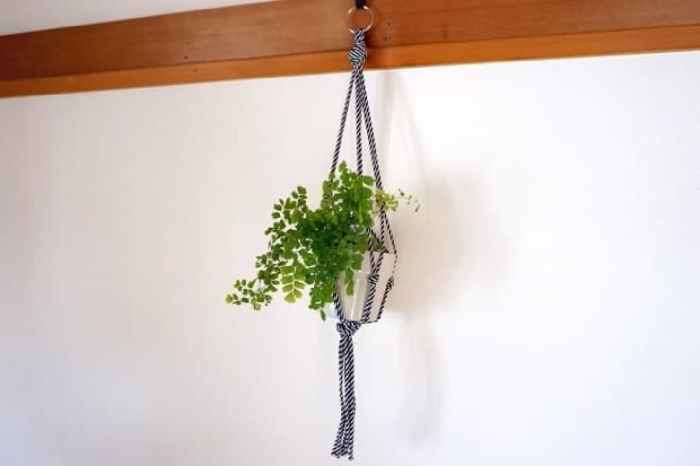
Japanese plant hangers, steeped in centuries of tradition, are experiencing a resurgence in popularity, but with a contemporary twist. Modern designers are reimagining these time-honored techniques, infusing them with fresh aesthetics and innovative materials, while retaining the core principles of craftsmanship and natural harmony. This fusion creates a new wave of plant hangers, bridging the gap between heritage and modernity.Modern interpretations of Japanese plant hangers often feature streamlined silhouettes and minimalist designs, reflecting contemporary tastes.
These adaptations, however, maintain the delicate balance between form and function, ensuring the hangers’ practicality and beauty remain paramount.
Contemporary Materials
Traditional Japanese plant hangers primarily utilized natural materials like bamboo, wood, and rattan. Modern designs, however, explore a wider palette of materials, including metal, glass, and even recycled plastics, alongside the more traditional choices. This expanded material spectrum allows for a greater range of styles and color palettes, while simultaneously addressing sustainability concerns. The use of sustainable materials, like reclaimed wood or recycled metal, further demonstrates a commitment to environmental consciousness, aligning with modern values.
Examples of Modern Interpretations
Several modern designs incorporate minimalist aesthetics. For instance, a plant hanger crafted from powder-coated steel, featuring a clean, geometric shape, complements contemporary interiors. Another example showcases a combination of polished brass and woven rattan, offering a blend of modern sophistication and traditional craftsmanship. These examples demonstrate how traditional techniques can be seamlessly integrated with contemporary materials to create unique and visually appealing designs.
Traditional vs. Modern
| Feature | Traditional | Modern |
|---|---|---|
| Materials | Bamboo, wood, rattan, paper | Steel, glass, recycled plastics, brass, combined with traditional materials |
| Design | Often organic, flowing lines, focus on natural shapes | Geometric, minimalist, streamlined, often incorporating asymmetry |
| Color Palette | Natural tones, earthy colors | Wider range of colors, including bold hues and metallic finishes |
| Production | Hand-crafted, often with meticulous attention to detail | May incorporate industrial processes for mass production while still maintaining traditional craft techniques. |
| Functionality | Designed for practical use, emphasizing durability and longevity | Blending practicality with aesthetics, often featuring innovative mounting systems |
The table highlights the distinct differences between traditional and modern approaches to Japanese plant hangers, demonstrating the evolving nature of design. Modern interpretations push boundaries while honoring the legacy of traditional techniques.
Care and Maintenance
Japanese plant hangers, crafted from natural materials, require specific care to maintain their aesthetic appeal and longevity. Proper maintenance extends the life of these delicate works of art, ensuring they continue to be a source of joy and a beautiful addition to any space. Diligent cleaning and preventative measures against environmental stressors are key to preserving these handcrafted treasures.Maintaining the integrity of natural materials requires a delicate touch.
Environmental factors like moisture, pests, and even the harshness of sunlight can impact the structure and beauty of these woven pieces. Careful attention to detail in cleaning and storage is vital to their long-term preservation.
Cleaning Natural Materials
Proper cleaning methods are crucial to prevent damage and maintain the natural beauty of the plant hanger. Using harsh chemicals or abrasive materials can strip away the natural oils and weaken the fibers, leading to deterioration. Gentle cleaning methods preserve the integrity of the materials.
- Use a soft brush or a damp cloth to remove dust and debris. Avoid using excessive water, as it can damage the weave or cause warping.
- For more stubborn stains, use a mild, natural cleaner diluted with water. Avoid harsh soaps or detergents, which can strip away the natural oils that protect the fibers.
- Allow the hanger to air dry completely before storing it, ensuring no moisture remains trapped within the weave.
Preventing Damage from Environmental Factors
Protecting Japanese plant hangers from environmental stressors is essential to maintaining their structural integrity and aesthetic appeal.
- Moisture: Avoid placing the plant hanger in areas with excessive humidity or direct exposure to rain. Moisture can lead to mold growth, rot, and weakening of the materials. Consider a well-ventilated location, or a sheltered area when exposed to the elements.
- Pests: Regularly inspect the hanger for signs of pests like insects or mildew. Use natural pest control methods if necessary, such as neem oil or diatomaceous earth, applied cautiously and sparingly.
- Sunlight: Prolonged exposure to direct sunlight can fade or discolor the natural fibers over time. Place the plant hanger in a location that receives indirect light, or consider using a light-filtering cover during periods of intense sun exposure.
Proper Storage
Appropriate storage is crucial to maintain the structural integrity and aesthetic appeal of these plant hangers.
- Store the plant hanger in a cool, dry place away from direct sunlight and extreme temperatures. Fluctuating temperatures can cause warping or cracking in the natural materials.
- Store the hanger on a shelf or in a box, away from heavy objects that could cause damage to the weave. Avoid storing it in areas with strong odors, as these can be absorbed by the natural fibers.
- Consider using acid-free tissue paper or acid-free archival boxes for additional protection when storing the plant hanger. This can prevent damage from moisture and other environmental factors.
Addressing Common Problems
Recognizing and addressing potential issues promptly can extend the lifespan of your Japanese plant hanger.
- Warping: If the hanger shows signs of warping, gently try to reshape it with your hands, and avoid placing heavy items on top of it. Consult a craftsperson if the warping is severe.
- Fading: Fading can be addressed by moving the plant hanger to a location with less direct sunlight. Consider using a fabric cover to protect the hanger from further fading.
- Pests: If pests appear, carefully remove any affected areas, using natural pest control methods. Consult a professional if the infestation is widespread.
Plant Compatibility
Japanese plant hangers, with their elegant aesthetic and meticulous craftsmanship, offer a unique opportunity to cultivate a variety of plants. However, not all plants are equally suited to this style of container. Careful consideration of plant needs and hanger characteristics is key to achieving a thriving and visually appealing display.Choosing the right plant for a Japanese plant hanger involves understanding the specific requirements of different species.
Factors like light exposure, watering frequency, and root space must be carefully balanced with the constraints of the hanger’s design and size. Mismatched plant and container can lead to stunted growth, pest infestations, or even plant death.
Plant Types Suitable for Japanese Hangers
Japanese plant hangers are well-suited for a range of plants, from delicate ferns to sturdy succulents. Their minimalist aesthetic and often limited space work best for plants with moderate growth habits and relatively compact root systems. Choosing plants with similar water and light needs can also help maintain a balanced and healthy display.
Light Requirements for Different Plants
The amount and type of light available in the chosen location significantly impact plant selection. Plants that thrive in bright, indirect light, like ferns and pothos, will flourish in locations where the hanger receives ample, diffused sunlight. In contrast, low-light tolerant plants like ZZ plants or snake plants can tolerate dimmer conditions. Direct sunlight, while energizing some plants, can quickly scorch delicate foliage and disrupt the delicate balance of a Japanese plant hanger display.
Watering Needs and Space Considerations
The size and style of the Japanese plant hanger directly influence the plant’s watering and root space requirements. A smaller, intricately woven hanger will need a plant with a shallower root system and a more controlled watering regime. Larger hangers can accommodate plants with more substantial root systems, allowing for greater water retention and potentially more vigorous growth.
Plant Compatibility Table
| Plant Type | Light Needs | Watering Needs | Space Requirements | Suitable Hanger Size ||————————-|—————-|—————–|——————–|———————-|| Ferns | Bright, indirect | Moderate | Moderate | Medium to Large || Pothos | Bright, indirect | Moderate | Moderate | Medium to Large || ZZ Plants | Low to Medium | Low | Moderate | Small to Medium || Snake Plants | Low to Medium | Low | Moderate | Small to Medium || Succulents | Full Sun | Low | Low | Small to Medium || Air Plants | Bright, indirect| Low | Low | Small |This table provides a general guideline.
Specific plant varieties may have slightly different requirements. Always research the particular needs of the plant before selecting it for a Japanese plant hanger.
Potential Compatibility Issues
Mismatched plant types can lead to problems. For instance, a fern with high watering needs placed in a small, intricate hanger might suffer from overwatering. Conversely, a succulent with low watering needs in a larger hanger might become dehydrated. Thorough research into individual plant requirements is crucial to avoid such issues. Careful observation and timely adjustments to watering schedules can mitigate potential problems.
Monitoring the plant’s overall health is vital in maintaining a thriving display.
Visual Representation
Japanese plant hangers, with their intricate weaving and natural materials, transcend mere function to become powerful decorative elements. Their aesthetic appeal stems from a harmonious blend of tradition and modern sensibilities, inviting tranquility and a connection to nature into any space. These unique pieces can subtly elevate a room’s atmosphere and become focal points in a curated design.The visual impact of a Japanese plant hanger is deeply rooted in its design philosophy, which emphasizes simplicity, balance, and the natural beauty of materials.
The carefully chosen color palettes and textures evoke a sense of serenity and mindfulness. Lighting plays a crucial role in enhancing the beauty of these handcrafted pieces.
Aesthetic Appeal
The aesthetic appeal of Japanese plant hangers is multifaceted. Their meticulously crafted designs, often incorporating natural materials like bamboo, rattan, or wood, offer a tactile experience that complements the visual harmony. The inherent warmth and natural beauty of these materials are key to their appeal. The minimalist design, common in Japanese aesthetics, allows the plant itself to take center stage, while the hanger provides a delicate and supportive backdrop.
Lighting Enhancement
Strategic lighting dramatically impacts the visual appeal of a Japanese plant hanger. Soft, diffused lighting, like that from a nearby pendant lamp or a strategically placed floor lamp, can highlight the intricate weave and textures, showcasing the artistry of the craft. Warm-toned lighting can evoke a calming ambiance, while cool-toned light can accentuate the natural hues of the materials.
The choice of lighting should complement the overall decor of the room, ensuring a cohesive and harmonious aesthetic. Direct overhead lighting can wash out the subtle details and nuances of the hanger.
Color and Texture
Color and texture are integral to the visual language of Japanese plant hangers. Traditional palettes often include muted tones like beige, browns, and natural greys, creating a serene and uncluttered backdrop. The natural variations in the wood or rattan contribute to the unique character of each piece. These natural tones seamlessly integrate with the foliage of the plants, fostering a harmonious visual balance.
Contemporary interpretations might incorporate a wider range of colors, but the emphasis remains on subtle, balanced contrasts. The textures, from the smooth weave of the rattan to the grainy texture of the wood, add depth and visual interest. The contrast between the smooth plant leaves and the woven textures of the hanger is a key element in visual appeal.
Showcase in Room Decor
Displaying a Japanese plant hanger within a room’s decor requires careful consideration of the overall style and ambiance. Placing the hanger near a window allows natural light to illuminate the delicate details of the weave. If placed against a wall, a simple, uncluttered background allows the hanger to stand out. A well-placed hanger can serve as a focal point in a corner or a striking addition to a shelf.
The minimalist nature of the design makes it adaptable to various room styles, from traditional Japanese aesthetics to contemporary minimalist designs. A strategically positioned plant hanger can elevate the room’s aesthetic while highlighting the natural beauty of the plant life.
Cultural Context

Japanese plant hangers, far from being mere functional objects, are deeply rooted in the nation’s rich aesthetic traditions. They embody core principles of Japanese design, reflecting a profound respect for nature and a meticulous attention to detail. These principles are seamlessly integrated into the form, function, and symbolic meaning of these crafted items, creating objects of both beauty and cultural significance.Japanese aesthetics prioritize a harmonious balance between the natural world and the human-made environment.
This is evident in the selection of materials, the meticulous attention to form, and the careful consideration of symbolic meanings. The resulting plant hangers often serve as miniature expressions of the wider cultural values.
Reflection of Japanese Aesthetics
Japanese plant hangers frequently draw inspiration from traditional Japanese gardens and their meticulous arrangement of elements. The use of natural materials, such as bamboo, wood, or woven grasses, directly relates to the appreciation for natural beauty. Form follows function, but the design also speaks volumes about the culture’s appreciation for simplicity and restraint.
Symbolic Meaning of Design Elements
The choice of materials in a Japanese plant hanger often holds symbolic meaning. Bamboo, for instance, is associated with strength and flexibility, while wood often represents longevity and resilience. The meticulous knotting or weaving techniques used in the creation of the hanger also hold cultural weight, symbolizing precision and the dedication to craft. The use of negative space, or intentional emptiness, is also crucial in Japanese design and contributes to a sense of tranquility and contemplation.
Cultural Significance of Natural Materials
Natural materials are integral to Japanese aesthetics, not just for their visual appeal but also for their inherent cultural significance. Materials like wood, bamboo, and paper are not simply ingredients but are considered reflections of nature’s beauty and the respect for its processes. Their inherent textures and patterns are appreciated, reflecting the deep connection between humanity and the natural world.
Importance of Balance and Harmony
Balance and harmony are central to Japanese aesthetics. Japanese plant hangers, like other forms of Japanese design, strive to achieve a visual equilibrium. The arrangement of the hanger, the selection of materials, and the overall form work together to create a sense of harmony and peace. This emphasis on balance and harmony extends beyond the physical object, connecting to the broader cultural appreciation for order and tranquility.
In essence, the plant hanger reflects the desire for a harmonious coexistence between the cultivated and the natural.
Potential Uses and Applications
Japanese plant hangers, with their elegant aesthetic and functional design, transcend simple plant holders. Their versatility extends far beyond the home, offering a range of applications in diverse settings, from urban balconies to minimalist interiors. This adaptability stems from their inherent balance of beauty and practicality.Beyond simply displaying plants, Japanese plant hangers serve as focal points, adding a touch of tranquil Japanese design to any space.
Their understated elegance and natural materials encourage a sense of harmony and peace.
Interior Design Ideas
Japanese plant hangers seamlessly integrate into various interior design styles. Their minimalist aesthetic complements modern, Scandinavian, and even traditional settings. Consider a living room with a low-slung, light-wood plant hanger featuring a collection of trailing pothos, creating a soft, vertical garden. In a minimalist bedroom, a delicate, bamboo hanger holding a single fern could serve as a striking focal point.
The use of natural materials, such as bamboo or woven reeds, adds a warm, earthy feel to any room, while contrasting with contemporary furniture. In a studio apartment, a multi-tiered, wall-mounted hanger could display a variety of succulents, adding texture and visual interest. A small, freestanding hanger on a coffee table could provide a tranquil centerpiece, adding a touch of Zen to a busy space.
Exterior Applications
Japanese plant hangers are not confined to indoor spaces. Their durability and design make them suitable for balconies, patios, and gardens. Imagine a series of hanging planters, constructed from weathered wood, draped over a pergola, adding a touch of rustic charm to an outdoor dining area. A modern, sleek metal plant hanger could be used on a rooftop garden, offering a stylish and functional solution for vertical planting.
In a small courtyard, a collection of woven plant hangers, varying in size and shape, could create a visually engaging vertical garden. These elements can enhance the outdoor aesthetic while encouraging biodiversity.
Versatility Across Spaces
| Space | Design Idea | Plant Suggestions | Aesthetic |
|---|---|---|---|
| Living Room | Low-slung wooden hanger with trailing plants | Pothos, Spider Plant | Soft, vertical garden; warm, earthy feel |
| Bedroom | Delicate bamboo hanger with a single fern | Fern, small orchids | Minimalist; tranquil focal point |
| Studio Apartment | Multi-tiered wall-mounted hanger | Succulents, air plants | Textural interest; visual impact |
| Patio | Weathered wood hangers over a pergola | Vines, flowering plants | Rustic charm; outdoor dining area |
| Rooftop Garden | Sleek metal hanger | Herbs, leafy greens | Stylish, functional solution |
| Courtyard | Collection of woven hangers | A variety of plants | Visually engaging vertical garden |
Japanese plant hangers are adaptable, offering a dynamic solution for a wide array of spaces. Their design flexibility enables creative applications in both interior and exterior environments, while enhancing the overall aesthetic and functionality of any setting.
Summary
In conclusion, Japanese plant hangers woven from natural materials offer a captivating fusion of art and functionality. This comprehensive guide has explored the historical context, design principles, and practical considerations behind these exquisite pieces, empowering readers to appreciate their cultural significance and create their own. The enduring appeal of these traditional designs, adapted to modern aesthetics, underscores their enduring relevance in contemporary design.
